
What we do
Right to Light
Protect your Right to Light with our specialist team of experts.



Right to Light
The Rapleys Neighbourly Matters Team can provide clear, commercial Right to Light advice to help identify risk, inform design decisions and support delivery of development projects.
Whether you are acquiring a site, preparing a planning application, developing a constrained urban scheme or responding to a neighbour’s concern, early right to light advice can help reduce uncertainty and avoid costly delays. We provide practical, technically robust advice on the potential impact of development on neighbouring right to light and the options available to manage that risk.
Right to light is private legal interests that exist separately from daylight and sunlight for planning purposes. A scheme may receive planning permission but still face right to light constraints, objections, compensation claims or, in some cases, injunction risk if the issue is not considered properly.
Why Right to Light matters?
Right to light can materially affect the viability, massing and delivery strategy for a development. A neighbouring owner with an established right may be entitled to challenge an obstruction to light if the loss is substantial enough to interfere with the ordinary use of their property.
Our Neighbourly Matters team helps developers, landowners and professional teams understand the potential exposure at an early stage, assess the technical position and develop a proportionate strategy for managing neighbouring risk.
Our Right to Light services:
- Initial Right to Light risk reviews: Early-stage appraisal of whether neighbouring properties may benefit from right to light and whether a proposal is likely to create a material risk.
- Technical right to light assessments: Detailed analysis of the potential light loss to affected windows and rooms using established assessment methods.
- Design and massing advice: Practical input to help project teams understand where development mass may create risk and how design changes could reduce exposure.
- Neighbour strategy and negotiation support: Advice to support discussions with adjoining owners, legal advisers and insurers where a negotiated release or settlement may be required.
- Expert reporting and technical notes: Clear documents suitable for internal decision-making, acquisition due diligence, funding discussions or legal strategy.
What do we assess?
Our assessments consider the likely existence of rights, the level of light enjoyed by neighbouring rooms, the impact of the proposed development and whether any loss may be actionable. Depending on the project, this can include baseline analysis, compensation risk advice and reporting to support wider legal or development strategy.
Our process:
- Initial review: We review the site, drawings, neighbouring context and development objectives to confirm the right scope.
- Neighbouring property analysis: We identify potentially affected buildings and consider whether right to light may exist.
- Technical modelling: We assess the existing and proposed light conditions to understand the likely level of impact.
- Risk advice: We explain the results in commercial terms and identify practical options for reducing or managing risk.
- Reporting and support: We prepare clear advice and can assist with design team discussions, legal liaison, neighbour engagement or settlement strategy.
Why choose us?
- Commercially focused advice: We explain technical results in the context of development risk, programme and viability.
- Early risk identification: We help identify constraints before design decisions become difficult or expensive to change.
- Clear communication: Complex right to light issues are presented in plain English for clients, design teams, funders and legal advisers.
- Integrated neighbourly matters expertise: Our advice can sit alongside party wall, daylight and sunlight, oversailing and access matters where required.
- Responsive support: We work efficiently to support acquisition deadlines, planning programmes and live development timetables.
FAQs
A right of light is a private property right that may allow a building owner to receive sufficient natural light through defined windows or openings. It is not a right to direct sunlight or to a particular view, and it is assessed differently from planning daylight and sunlight matters.
No. Daylight and sunlight assessments are usually prepared for planning purposes, while right to light are private legal matters between landowners. Planning permission does not automatically override or remove right to light risk, so some projects need both forms of advice.
Right to light should be considered as early as possible, particularly on dense urban sites, boundary-to-boundary developments, upward extensions, tall buildings or schemes close to neighbouring windows. Early advice can help inform massing, risk allowances, neighbour strategy and programme planning.
Jen Goode
Headteacher, Longford Park School
We just wanted to say a huge thank you for all the support, hard work and time that you have put into creating our new room at Longford. It hasn’t always been a smooth path but you have been relentless in your perseverance and dedication to get the job completed. We appreciate all your efforts.
Josh Dutfield
CEO, Axminster Group
Axminster Group have a longstanding relationship with Rapleys (and CSJ Planning beforehand) and commend them for their consistently high standard of advice across our property portfolio. Their professional, proactive approach and in-depth planning expertise have added value at every stage, from strategic advice through to successful delivery. The team’s clear communication, responsiveness, commercial awareness, and ability to navigate complex planning challenges have been important in achieving both positive and timely outcomes for our range of sites.
Claire Willetts
Executive Director of Property & Environment, University of West London
Working with Victoria Bennion over the past two years has been a pleasure. Her advice is always measured and reasonable and her relationships with the planning authorities undoubtedly contribute to their successes. Victoria is responsive and professional and a welcome part of our project team.
Get in touch
Key contacts
Gain national and local expertise through our multidisciplinary teams of experts.









Our track record
Sheen Lane Developments Ltd
Commercial building extension, George Street, Richmond
Instructed to provide Daylight and Sunlight services for the development proposals
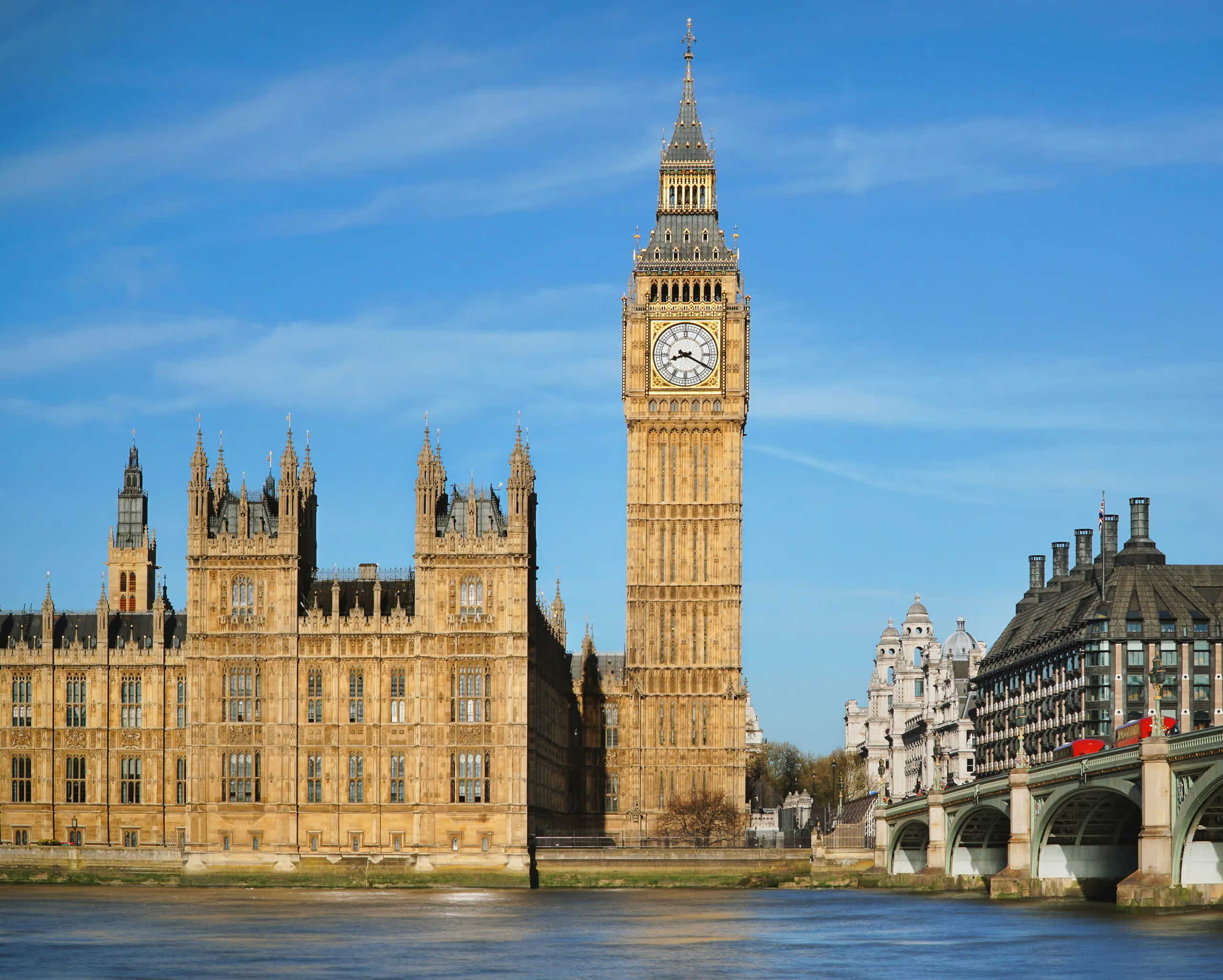
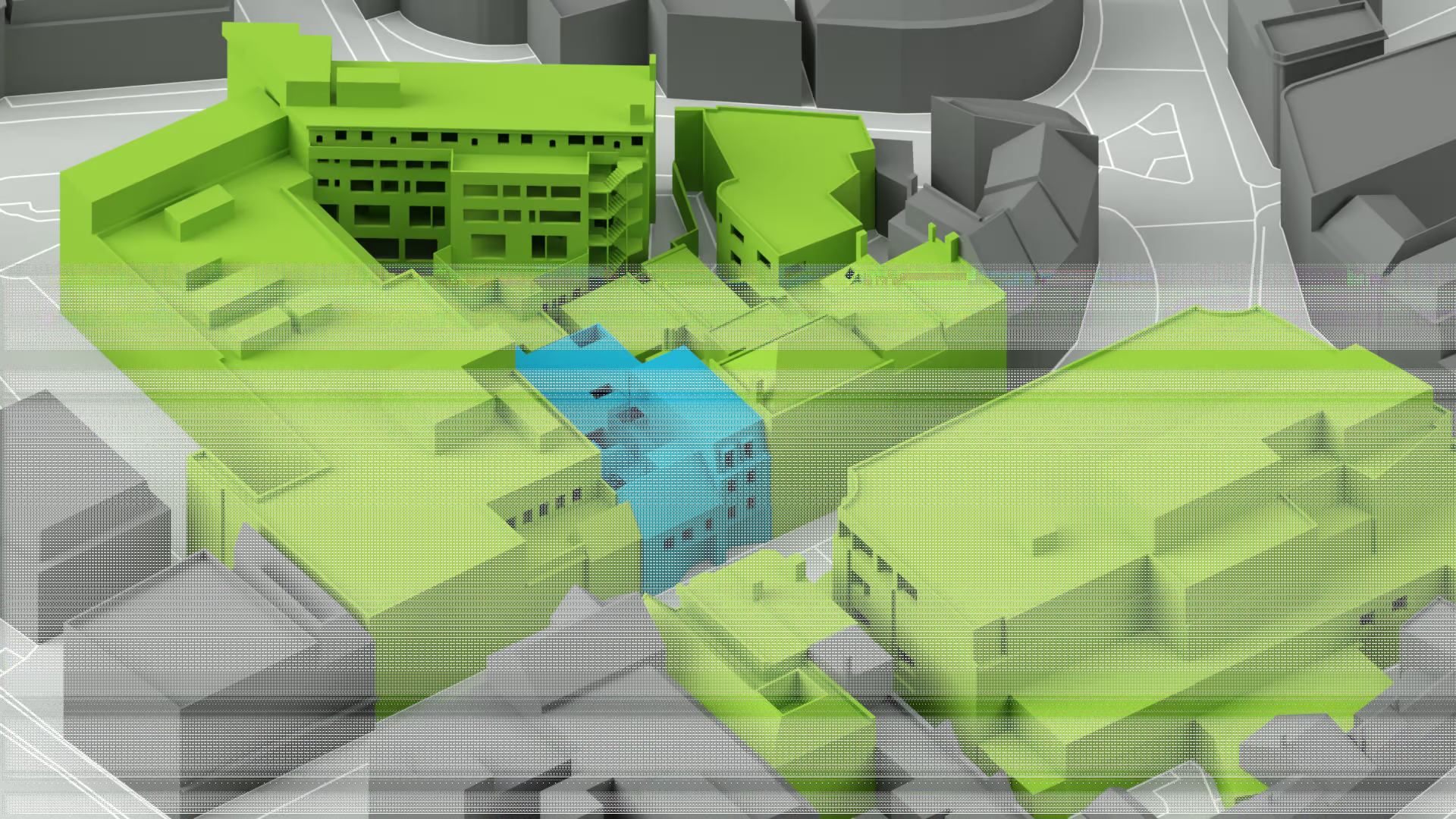
Rights to Light Framework for Westminster City Council, London
Provided a Rights to Light consultancy services framework operating over 4 years
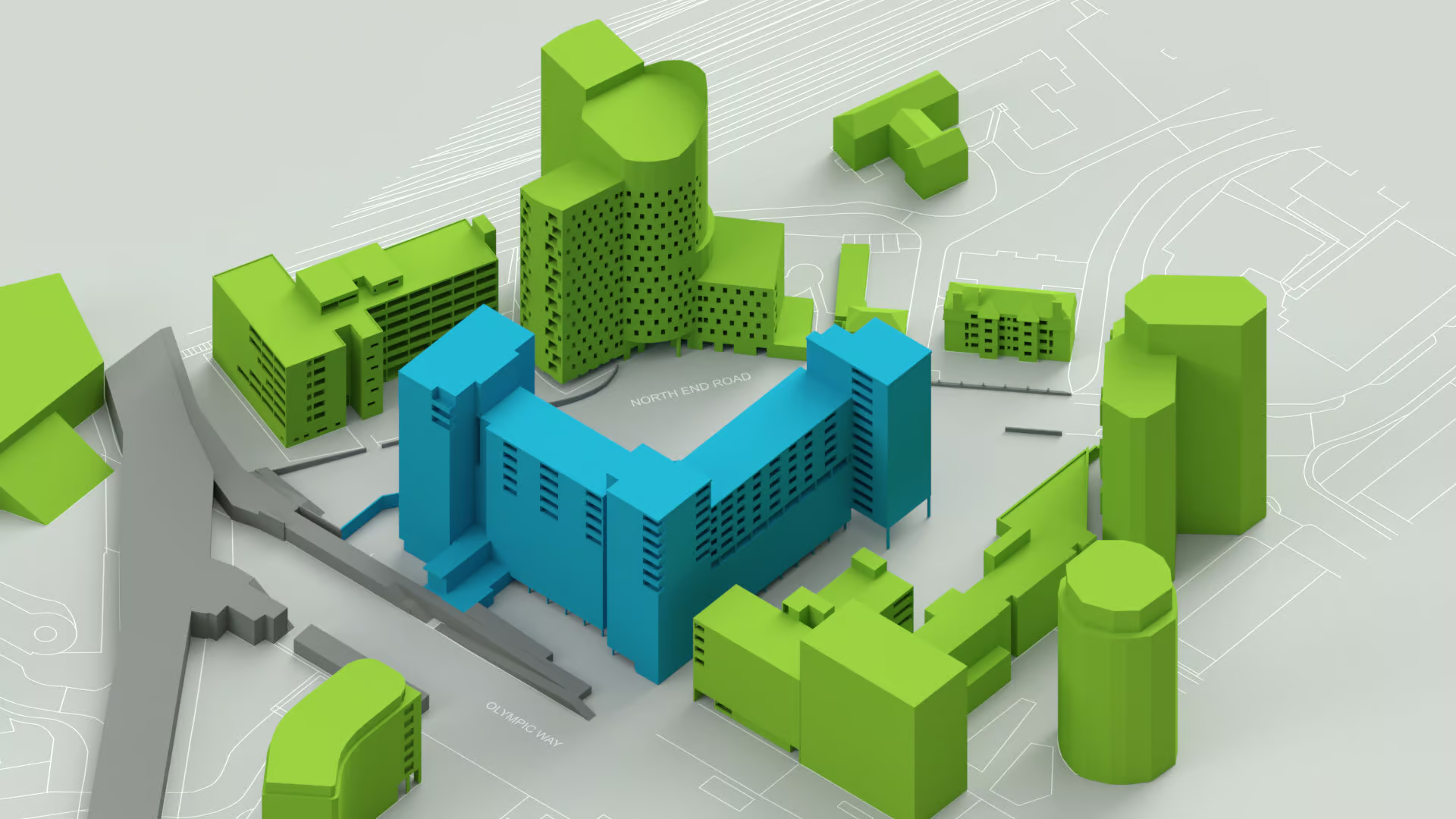
Stadium Holdings Ltd
1 Olympic Way, Wembley
Neighbourly Matters advice for a 7-storey extension to provide student accommodation


Related News

EV Newsletter
The UK’s Electric Vehicle (EV) transition is no longer a distant policy objective; it is a market reality with measurable consequences for real estate owners, investors, and asset managers today.


Planning’s experience gap: why we can’t wait for the next generation to learn on the job