

Track record
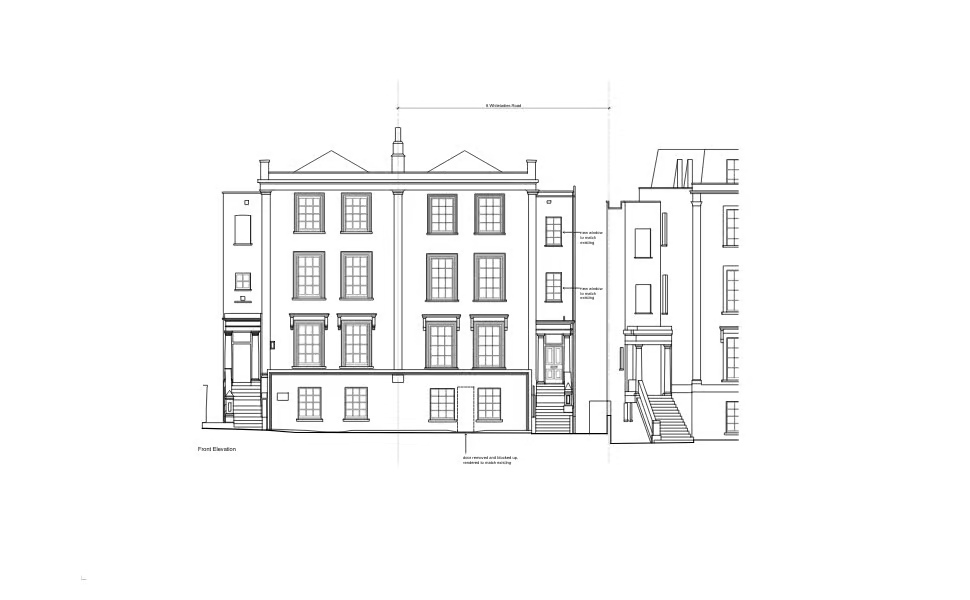
Full Application for Change of Use to Purpose‑Built Student Accommodation, 6 Whiteladies Road, Bristol



Environmental Impact Assessments
Service
Offices
Residential
Industry
The project
| The project involved securing full planning permission for the comprehensive conversion of 6 Whiteladies Road — a four‑storey former office building (Use Class E(g)) situated in the Clifton and Hotwells Conservation Area — into 16 high‑quality, self‑contained student studios (Sui Generis). The property had been vacant for a prolonged period and had proven difficult to re‑let, owing to its compartmentalised layout, lack of lift access, and poor suitability for modern office tenants.
The client’s key objective was to deliver Purpose-Built Student Accommodation (PBSA) towards the upper end of the market as it is in an exceptionally well-connected location adjacent to the University of Bristol’s main campus. The scheme sought to respond to the acute shortage of student accommodation in the city, reduce pressure on family housing stock in surrounding neighbourhoods, and bring a long‑vacant building back into meaningful, sustainable use. Rapleys was instructed to prepare, submit, and manage the full planning application, including engagement with local Ward Councillors, specialist consultants and Bristol City Council throughout determination. |
Our solution
|
Our track record
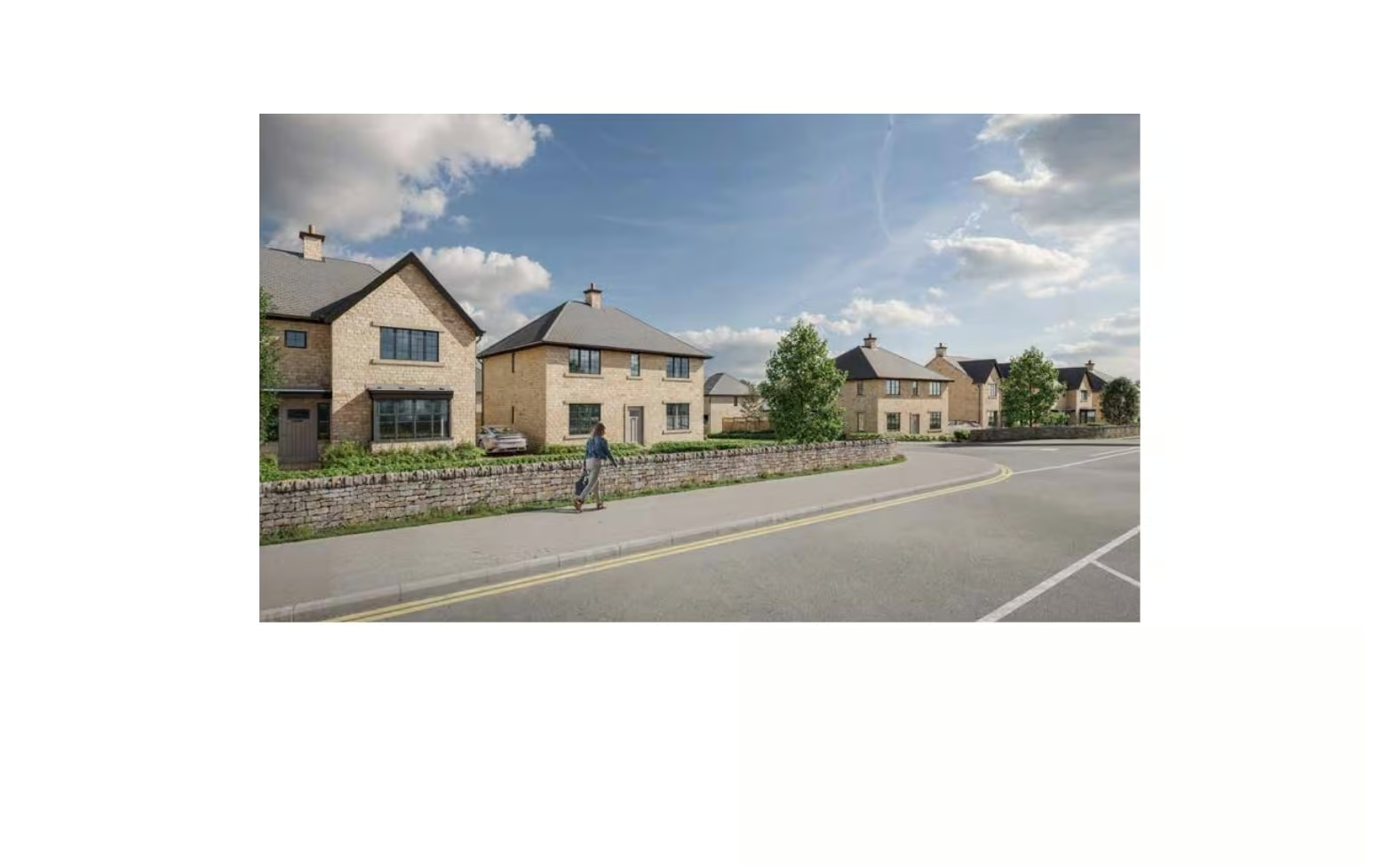
‘Land off Hollingworth Road, Littleborough’ Residential Led Development
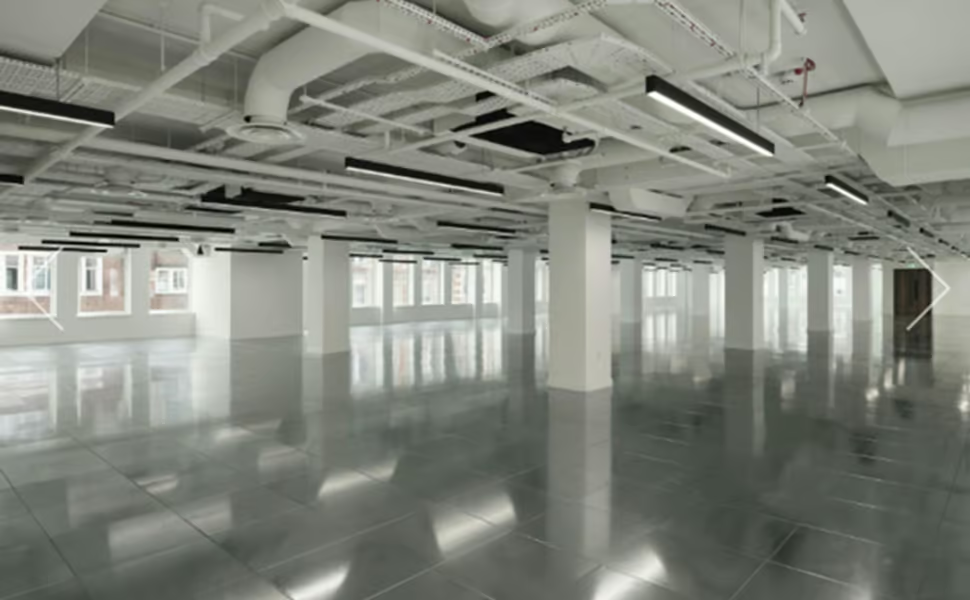
1 James Street, London
Rapleys was appointed by Annington Property Limited to assist with their exit from office premises at 1 James Street, London and relocate to new premises.

Stadium Holdings Ltd
1 Olympic Way, Wembley
Neighbourly Matters advice for a 7-storey extension to provide student accommodation
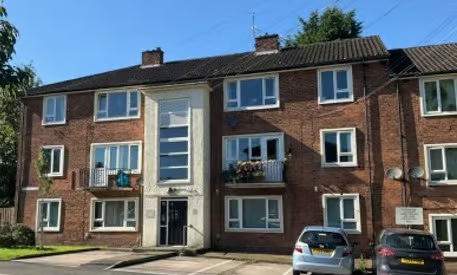
100% stock condition survey for Stockport Homes
Provision of 100% stock condition survey of 12,000 home residential portfolio
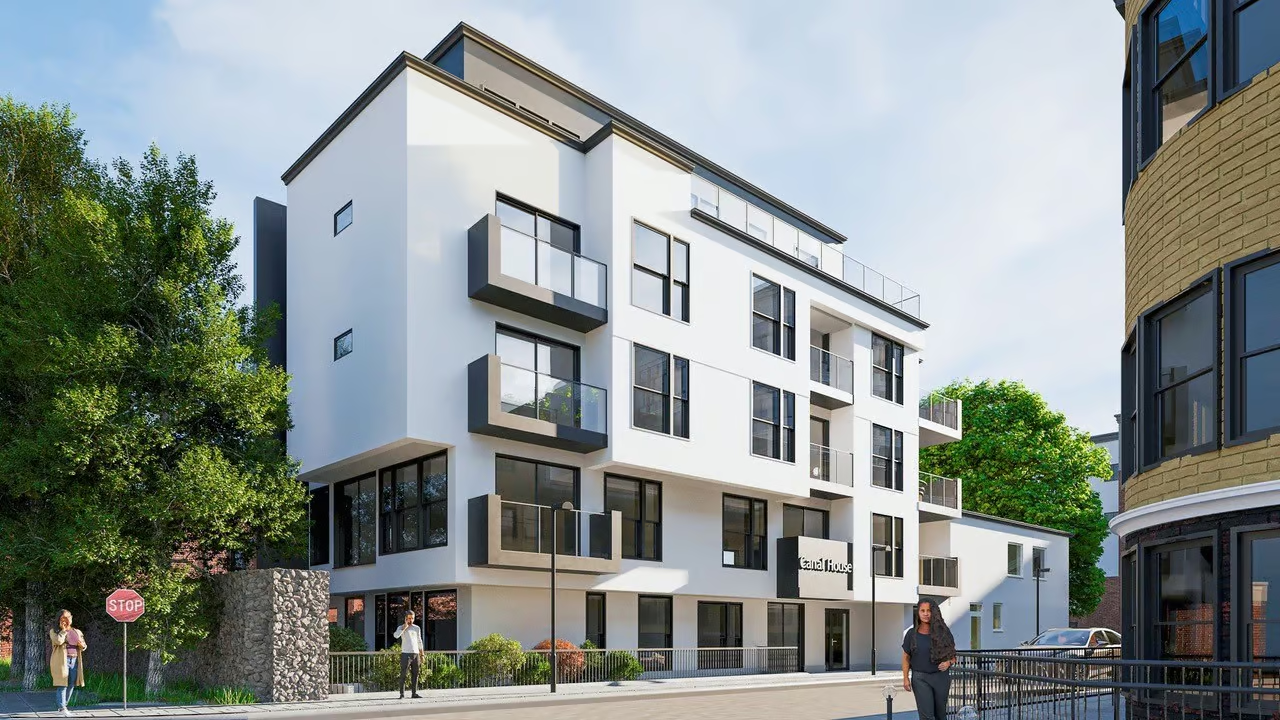
104-106 East Street, Southampton
Delivery of commercial and market-led viability advice to support the successful completion of a stalled development.
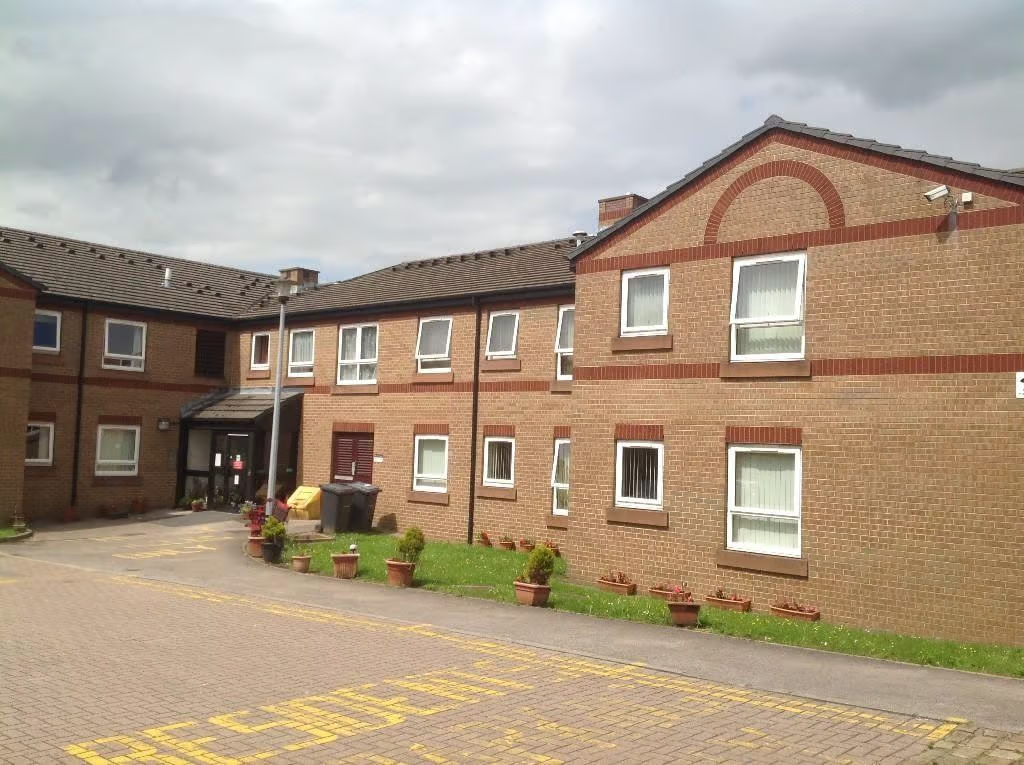
Yorkshire Housing
12,000 Stock Condition Surveys – Yorkshire Housing
Appointed by Yorkshire Housing via the Fusion21 Framework to complete 12,000 stock condition surveys over a 3-year period
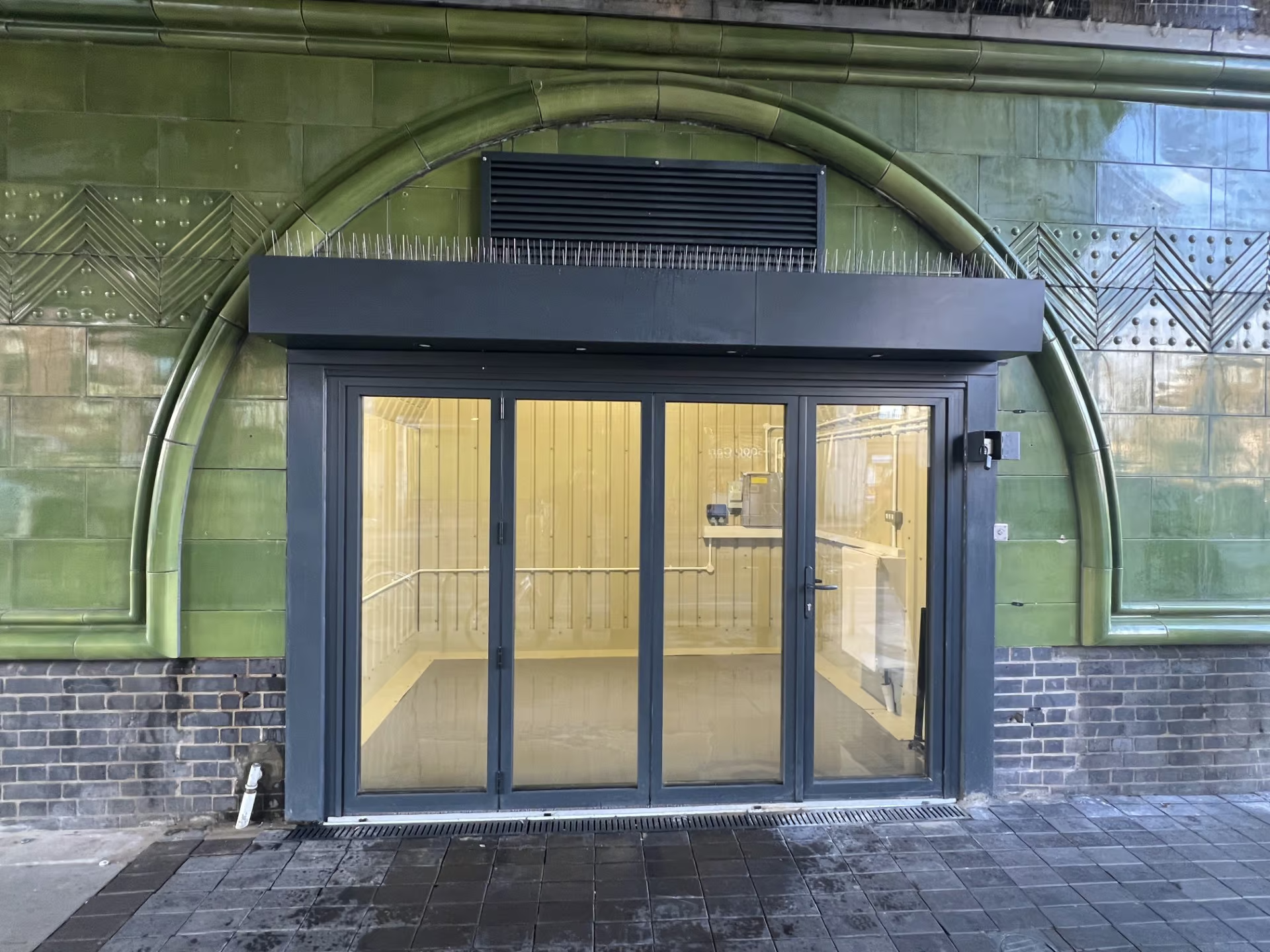
The Arch Company
210 Balham High Rd
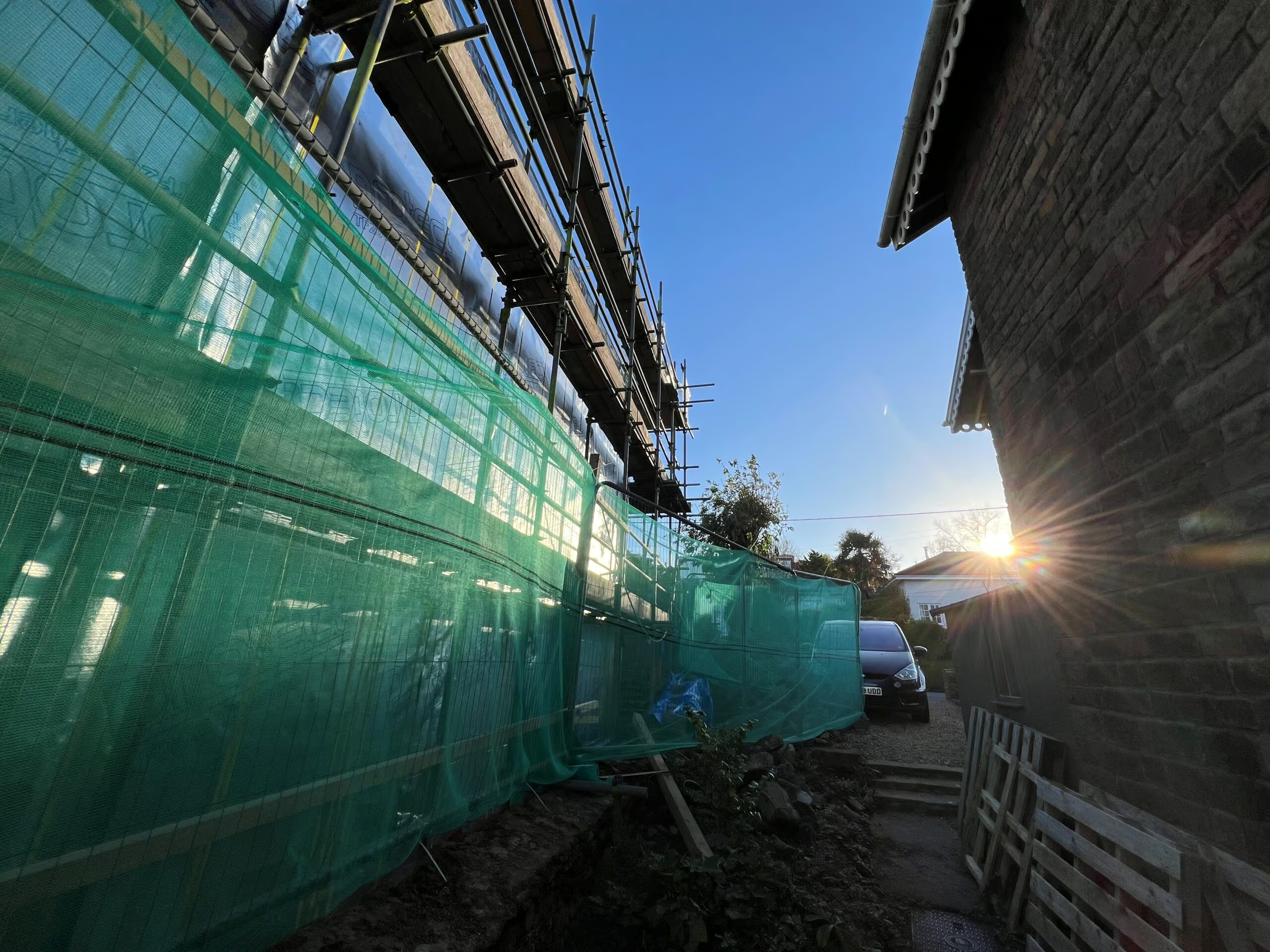
Private Client
33 Beach Road West, Portishead, Bristol
Acting for the Building Owner to enable the redevelopment of a dilapidated residential site
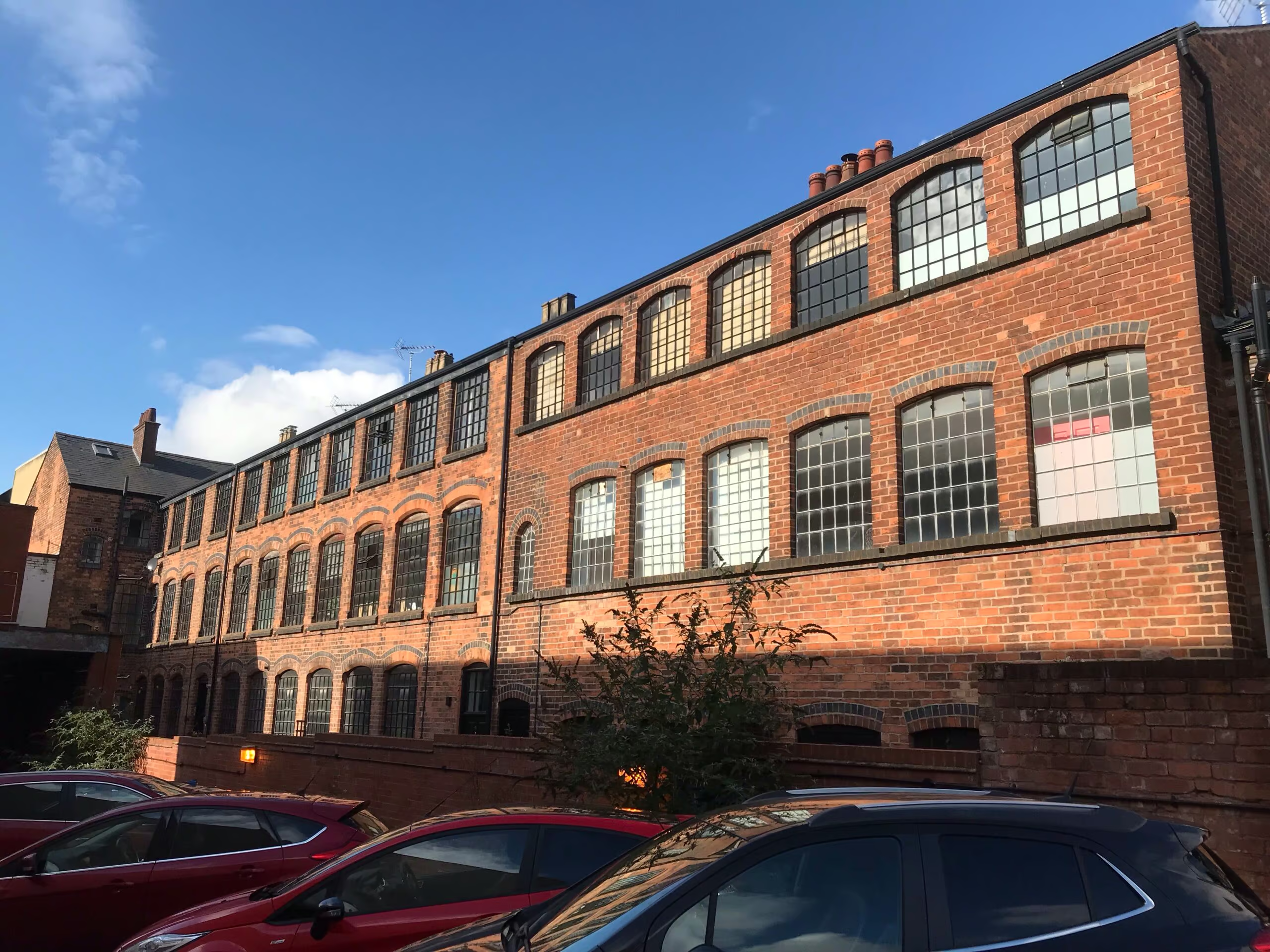
37-42 Tenby Street and 30-31 Albion Street, Birmingham
Expert Party Wall advice to protect adjoining owners’ interests
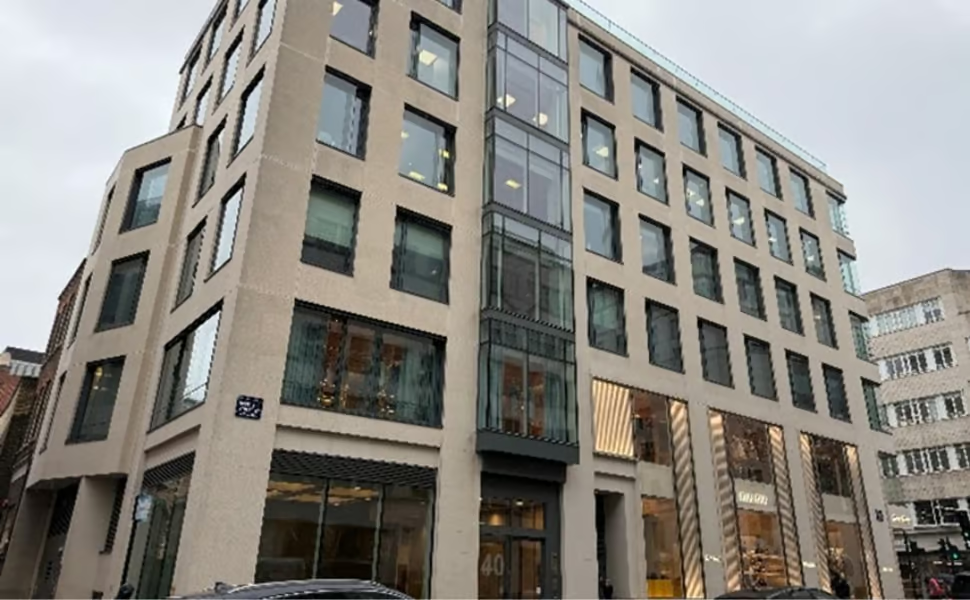
40 Bruton Street, London
Rapleys was appointed by Magni Partners Limited to assist with their exit from office premises at 40 Bruton Street, London.